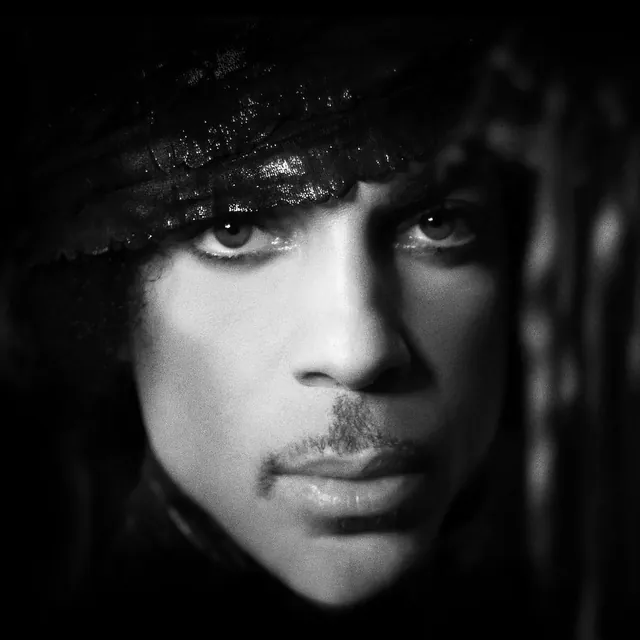
Prince
Solo · Tenor
Prince
Solo
Vocal Range
E2 to B6
Octaves
4.5
Voice Type
Tenor
Lowest
82 Hz
Prince was a tenor with an extraordinary vocal range and one of the most versatile voices in popular music history. His falsetto was legendary: piercing, precise, and capable of conveying both vulnerability and raw power. Prince’s vocal palette encompassed soulful crooning, funk-infused shouts, rock aggression, and delicate, almost feminine high notes that defied gender expectations. He played nearly every instrument on many of his recordings, and his voice was simply another instrument in his vast musical arsenal.
Notable Songs
Songs that showcase Prince's vocal range and technique
- 1 Purple Rain
- 2 Kiss
- 3 When Doves Cry
- 4 1999
- 5 Little Red Corvette
Vocal Range Keyboard
Your Range on Keyboard
Test your own range and see how you compare
Test My Vocal RangePrince’s Vocal Technique: A Deep Dive
Prince is classified as a Tenor with a documented range of 4.5 octaves (E2 to B6). This places Prince among the elite vocalists in popular music history, with a range that few singers ever achieve. Such a wide span requires mastery of multiple vocal registers: chest voice for power and resonance, mixed voice to smoothly bridge registers, head voice for soaring highs, and in many cases, access to the whistle register for extreme upper notes. The ability to move seamlessly between these registers while maintaining tone quality and control is what separates exceptional vocalists from merely good ones.
As a tenor, the brightest and highest of the male chest voice types, Prince naturally excels in the upper register. Tenor voices are characterized by their ringing quality on high notes, vocal agility in fast passages, and the ability to project powerfully over orchestration. The tenor range typically extends from C3 to C5, though trained tenors frequently sing well beyond this. Key technical challenges include maintaining a relaxed, open throat on high notes, developing a smooth transition through the passaggio between chest voice and head voice, and building the stamina to sustain demanding high passages throughout a full performance.
Tenor
Typical range for this voice type
Range Span
4.5 octaves (E2 – B6)
82 Hz – 1976 Hz
Role
Solo
Genre & musical context
How to Sing Like Prince: A Practical Roadmap
To sing songs by Prince, you need to understand not just the range required but also the specific vocal techniques that define this artist’s sound. Here is a practical roadmap to get you started.
Step 1: Test Your Range
Use our vocal range test to find your exact lowest and highest notes. If your range overlaps with Prince’s range (E2 to B6), their songs are likely to fit your voice. If not, you can still sing their songs by transposing to a comfortable key.
Step 2: Start in Your Comfort Zone
Begin with songs that sit primarily in the middle of your range where your voice is strongest. For a Tenor, this is typically the notes closest to your speaking voice. Avoid starting with the most challenging boundary notes until you have built confidence.
Step 3: Develop Key Vocal Qualities
Build a strong mixed voice to handle high notes without strain. Practice falsetto-to-head-voice transitions daily. Breath support is absolutely critical for sustaining powerful high notes throughout a song.
Sing regularly and retake our vocal range test every 1-2 months. Most singers can expand their comfortable range by 2-4 semitones per year. As your range grows, revisit Prince’s more challenging songs. Use our pitch detector to check your accuracy on difficult passages.
Notable Songs & What They Demand
Each of these songs showcases a different aspect of Prince’s vocal abilities. Understanding what each song requires helps you choose the right starting point for your own practice.
Purple Rain
An excellent starting point. This song typically sits in the middle of the range and demonstrates core vocal techniques without requiring extreme notes. Focus on tone quality, breath control, and emotional delivery before attempting more challenging material.
Kiss
A step up in difficulty. This song may require broader dynamic range or slightly higher/lower notes than the first selection. Pay attention to the emotional phrasing and work on maintaining consistent pitch throughout. Good breath support is essential.
When Doves Cry
This song showcases more advanced vocal techniques including wider dynamic range and potentially more demanding register transitions. Practice the challenging sections in isolation before attempting the full song. Use the pitch detector to verify your accuracy.
1999
This track pushes further into the boundaries of the range. Warm up thoroughly before attempting it, and do not force notes that feel uncomfortable. It is better to sing it well in a lower key than to strain in the original key. Consider working with a vocal coach for guidance on the most demanding passages.
Little Red Corvette
The most challenging selection in this collection. This song requires full command of the vocal range and advanced technique including sustained high or low notes, complex phrasing, and significant dynamic control. Prioritize vocal health over hitting every note exactly as recorded. Building up to this song gradually is the safest and most effective approach.
Singers with Similar Voice Types
How We Document Singer Ranges
Vocal range data is compiled from multiple authoritative sources: studio recordings, live performances, published vocal analyses, and musicological research. We cross-reference data from The Range Planet, peer-reviewed vocal science literature from the Journal of Voice, and verified recording sessions. Ranges reflect documented notes, not theoretical extremes. If you have corrections or additional documentation, please contact us.